
A hotel website needs photographs of the guest rooms, bathrooms, shared spaces and outdoor areas guests can use. The selection should distinguish room types and make clear which spaces belong to each room. Details of furniture and materials complete the wider views.
In Porto Cervo and Olbia, I applied these principles on two assignments: the Pitrizza rooms after their renovation and the Mercure Olbia, from reception to the pool.
A sequence for each room type
The opening photograph of a room should make its layout easy to understand: the bed, windows, main furnishings and the route to any sitting area or terrace. A second view earns its place when it adds information, such as a separate seating area or the connection between two spaces.
The bathroom belongs in the same sequence. Balconies, terraces and views also need to be matched to the correct room: a photograph of the hotel’s best outlook does not necessarily describe every accommodation option. Where rooms in the same category have different layouts, the photographs and captions should explain those differences.
From the interiors to the shared spaces
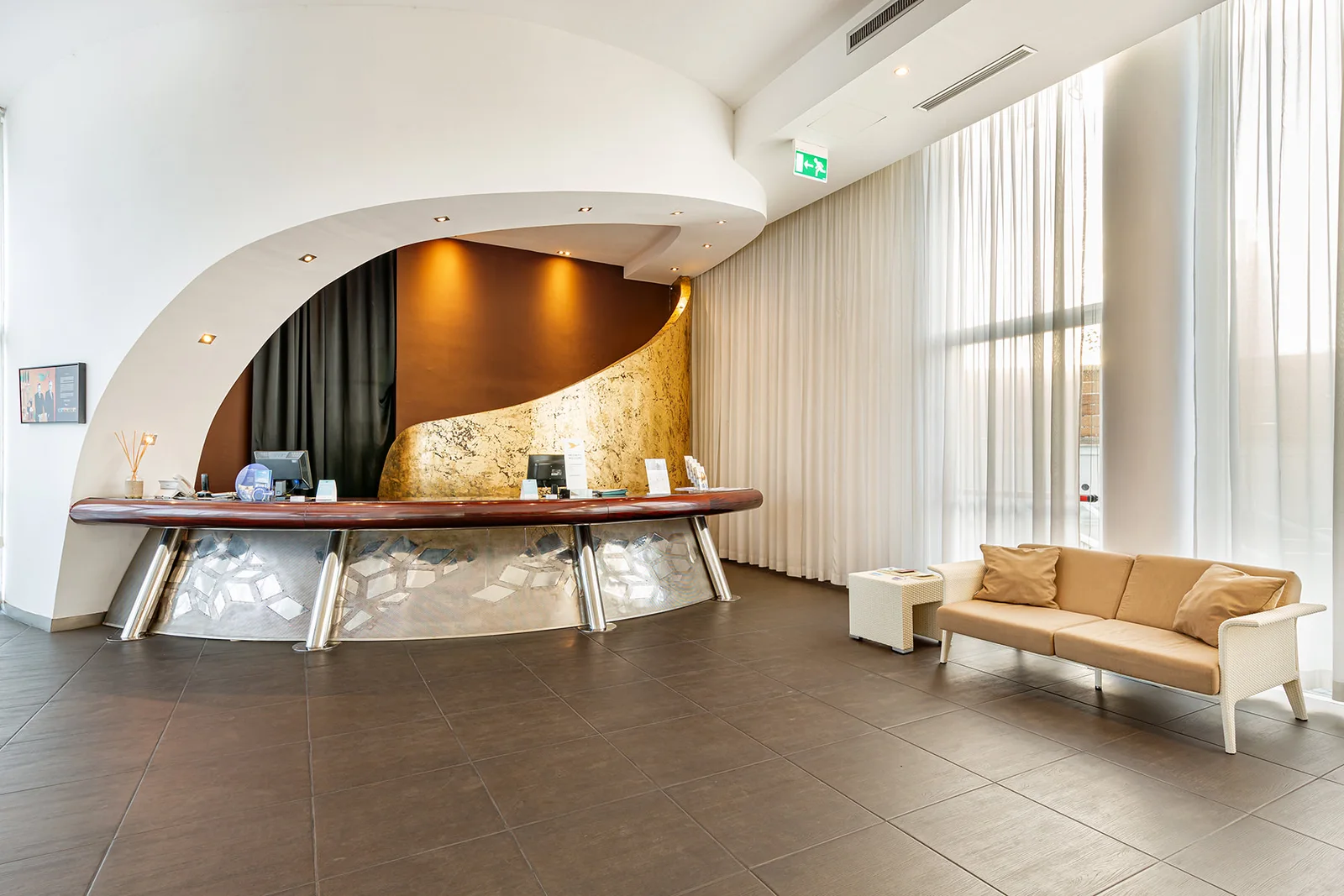
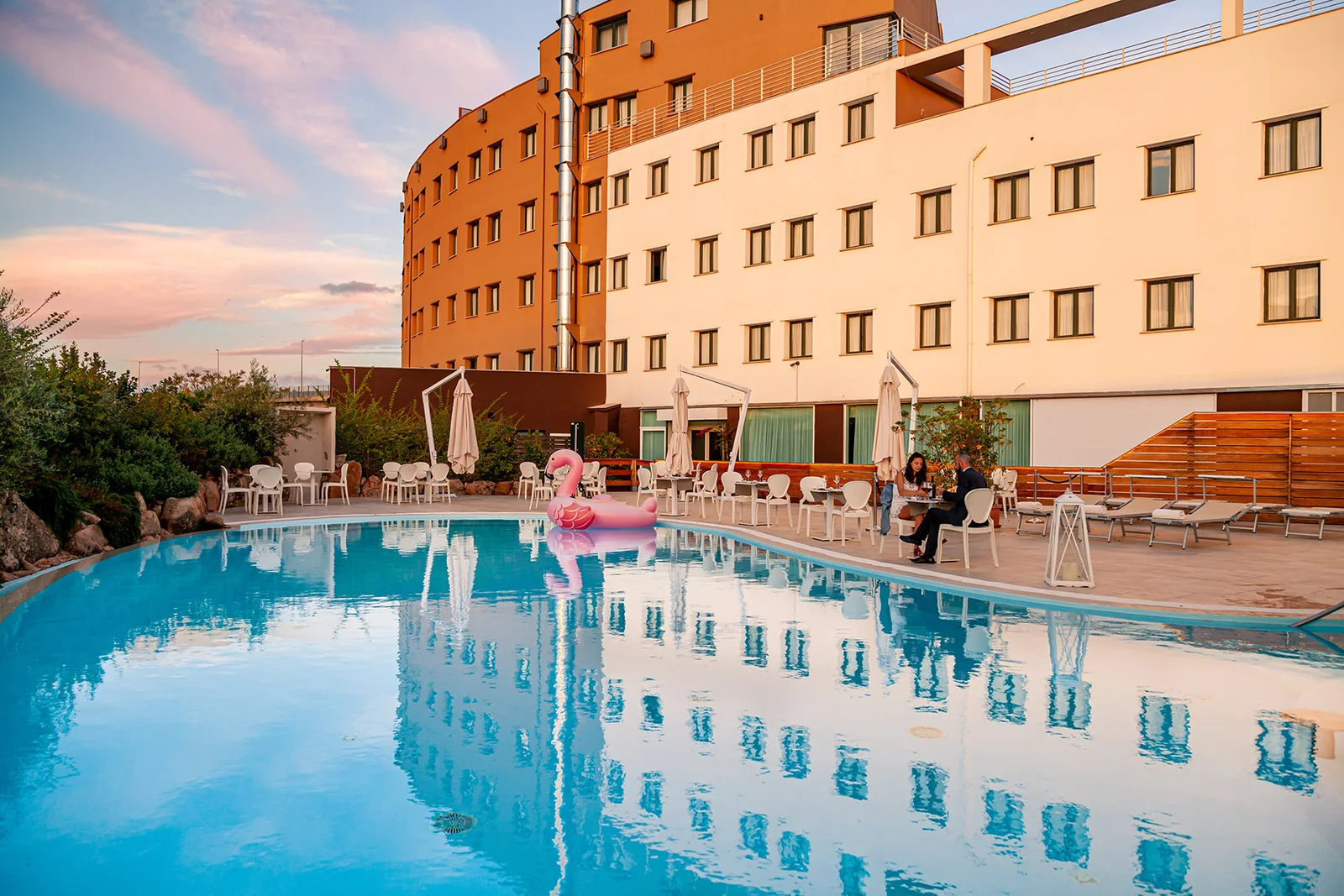
Reception, restaurants, pools and terraces describe the areas guests share. At the Mercure Olbia, I photographed reception, guest rooms and the pool, alongside scenes of breakfast in the room. These subjects serve different purposes: some explain the spaces, while others show a moment during a stay.
The pool at dusk adds an atmosphere a daytime view cannot provide. The two photographs have different roles: daylight makes the layout and furniture clear, while evening brings the lighting into view. The choice depends on what the hotel needs to document and the spaces actually available to guests.
The interior design, from rooms to details
At the Pitrizza in Porto Cervo, LVMH commissioned me to photograph the interiors following the room renovation by Moinard Bétaille.
In the rooms, I focused on the style and forms of the French studio's new design, looking for a balance between the character of each room and the sea view that defines a property set right on the water: neither was allowed to overshadow the other.
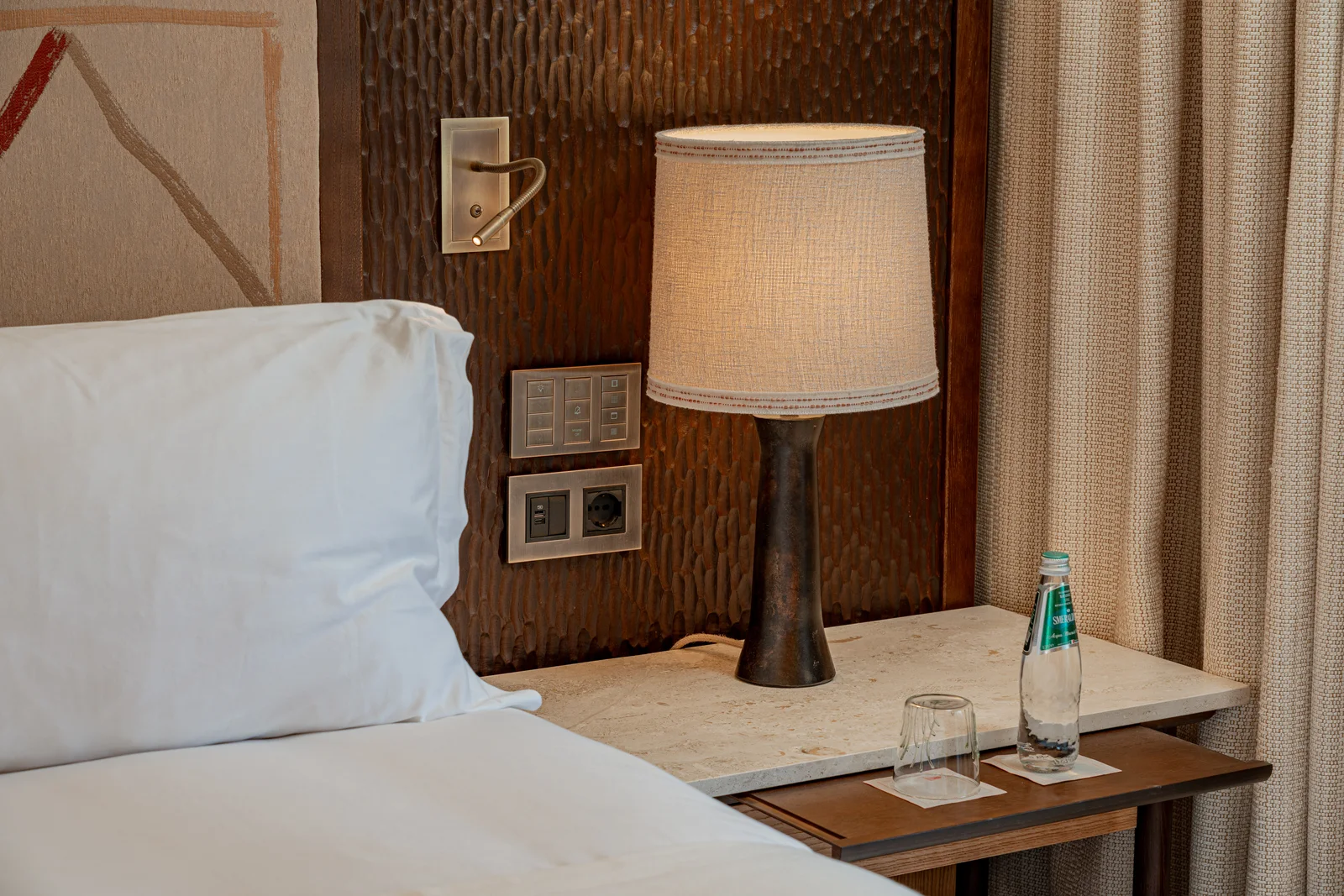
A detail becomes meaningful once the viewer has seen the room it belongs to. A lamp, textile or finish therefore accompanies the wider description of the space; on its own, it cannot explain the layout.
Different selections for the homepage and room pages
The homepage introduces the hotel through a few recognisable spaces. A room page needs to distinguish that accommodation from the alternatives. Repeating the same selection on both pages can leave questions unanswered about the bathroom, private outdoor access or a different view.
Before the shoot, a simple table can match each room type and area to the website page where its photographs will appear. That list also helps review the final selection, removing duplicates and pictures of spaces no longer available. The examples in this guide come from my work for hotels in Porto Cervo and hotels in Olbia.